
Planning Guide
Garden Shed Design & Storage Guide
Design a garden shed with potting space, ventilation, daylight and smart storage for Kentucky gardeners.
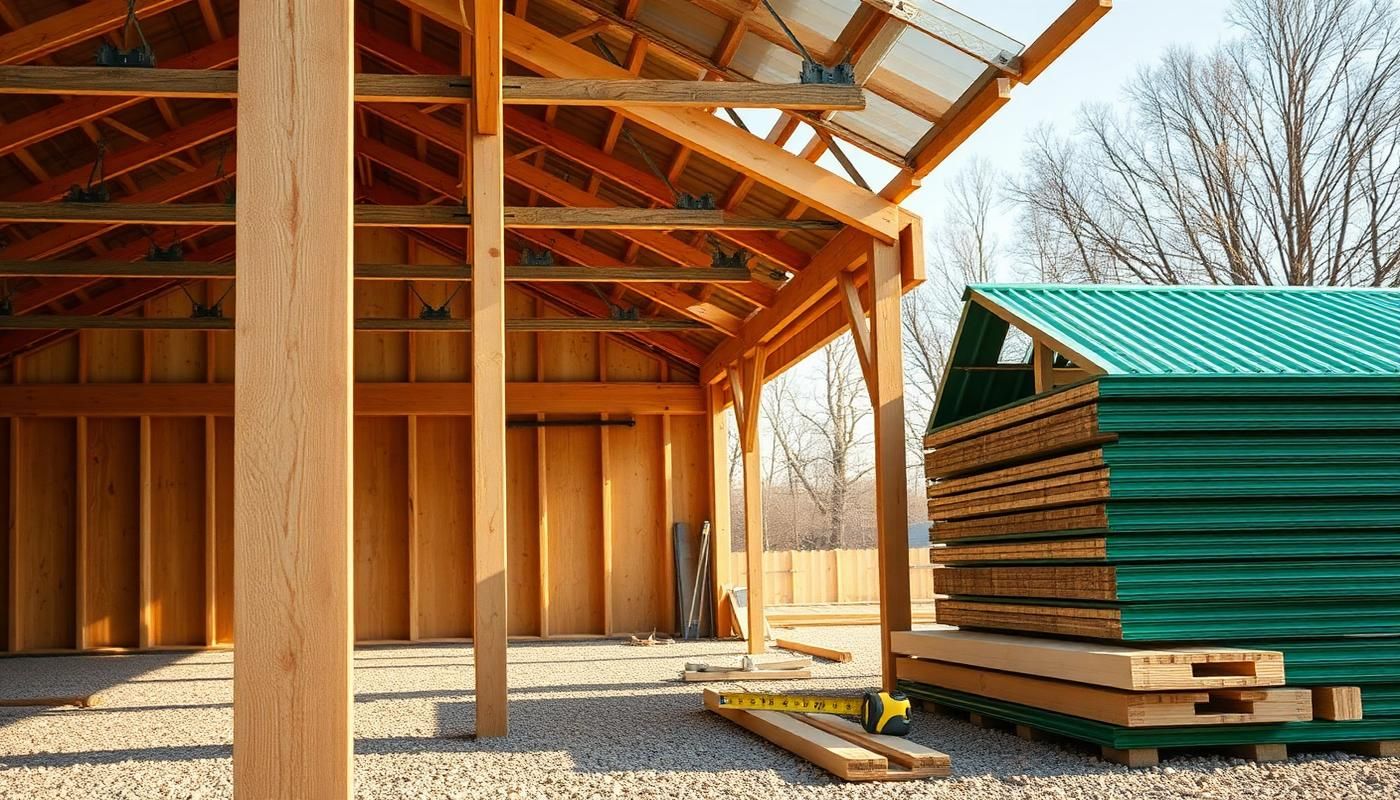
A good garden shed is part workspace, part storage and part view from the back porch. All three deserve attention.
Light first
Gardening happens by daylight. A window over the potting bench, a transom on the door and one or two translucent roof panels can make the interior usable all day without electricity.
The potting bench
Build it in at 36 to 38 inches with a durable top, a lip at the back and open shelving below for pots and trays. A drop-in tray for soil mixing keeps the mess contained.
Ventilation and moisture
Damp soil, wet tools and closed doors invite rot and rust. Gable vents, a ridge vent or a simple louvered opening keeps air moving. Elevate the floor slightly and slope the ground away.
Storage systems
French cleats let you rearrange hooks as your tools change. Long-handled tools go on a wall rack, hoses on a reel outside the door, chemicals in a locked upper cabinet away from children and pets.
Water and power
A rain barrel on the downspout and a hose bib nearby will save a hundred trips. If you run electricity, a GFCI outlet and a light switch by the door are the minimum.
Curb appeal
Board-and-batten siding, a shingled or standing-seam roof, flower boxes and matching house trim make a garden shed a feature rather than a utility box.
Common questions
What size garden shed is best?
8x10 to 10x14 covers most home gardeners with a potting bench and tool storage.
Should the floor be wood or concrete?
Wood is warmer and easier on the back; concrete is easier to hose out. Both work — it depends how messy your potting gets.
Can you add a lean-to for firewood?
Yes, a lean-to on one side is inexpensive and keeps wood dry and off the shed floor.
Want this applied to your property? Call 270-277-1669 or request a written quote. We build across Owensboro and western Kentucky.